How to Read a Marine Forecast Before a Florida Boat Day
“Seas two feet” is a starting point. The spacing, direction and wind tell you much more about the ride.

THE SHORT ANSWER
Read a marine forecast by checking its location and valid time, then wind and gusts, wave height, period and direction, and any warnings. Compare the outbound and return hours. A single wave-height number cannot describe the ride, especially where wind, current and shallow inlet water interact.
AT A GLANCE
- Check the marine zone and forecast update time.
- Read wave height, period and direction together.
- Compare sustained wind with gusts and the direction of travel.
- Include the inlet crossing and the return trip in your plan.
Which forecast covers your route?
Start with the NWS marine forecast for the waters you will actually cross. A beach forecast, an inland city forecast and an offshore marine zone describe different places. Check the issue time and the hours the forecast covers.
For a trip out of Boca or Hillsboro, separate the protected-water leg, the inlet and the offshore leg. The conditions at the dock may tell you little about the exposed part of the route. Read any advisory or warning before focusing on the hourly numbers.
What do wave height and period mean?
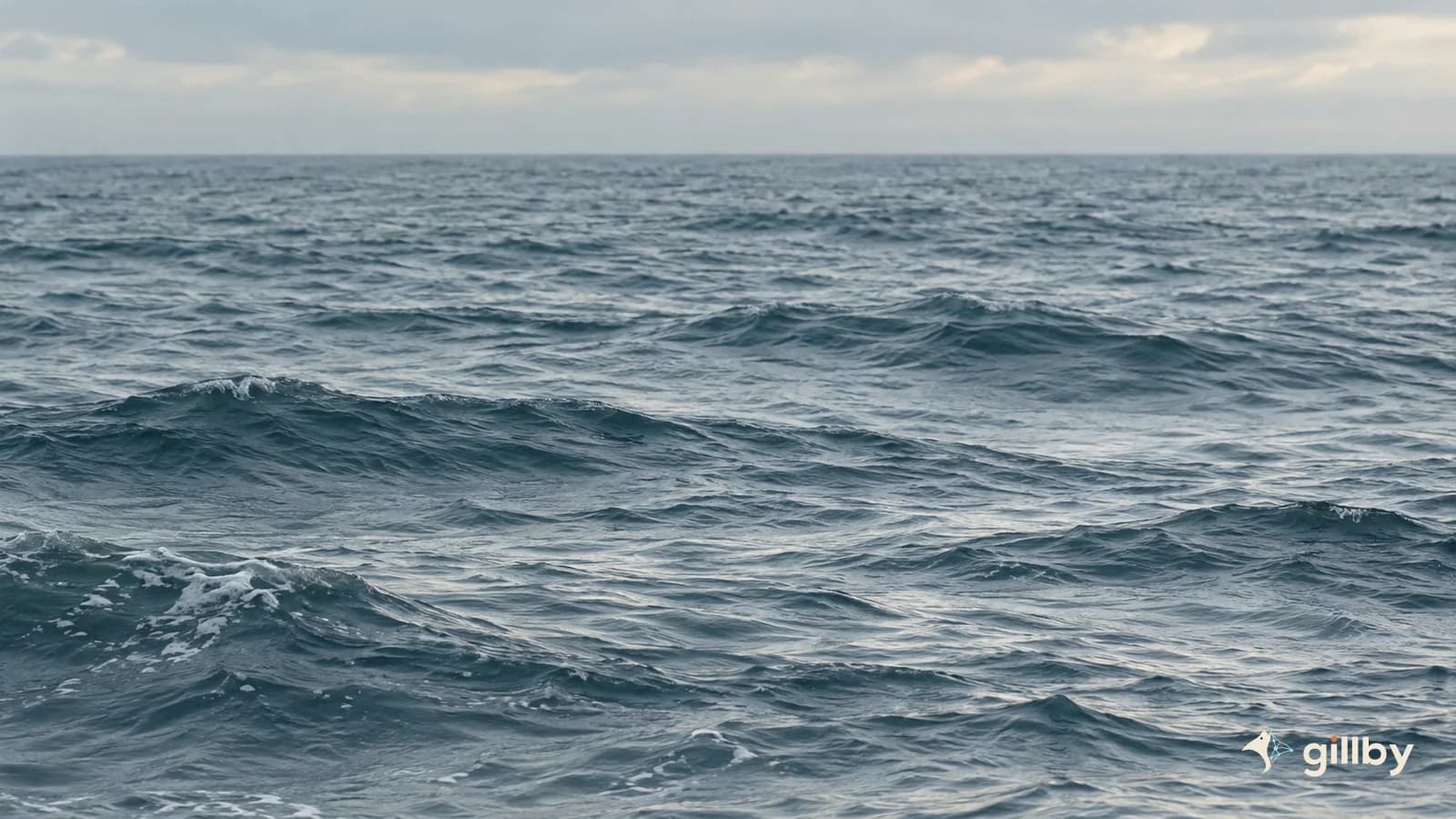
Wave height describes the vertical size of a wave. Period is the time between successive waves. Direction tells you where the waves come from. The NWS wave-detail guide explains why these belong together: different wave groups can overlap in the same water.
Short-period waves can produce a closely spaced, choppy ride. Longer-period swell has different implications near shore, where shallow water can cause it to steepen and break. Neither a longer period nor a smaller height is a blanket promise of an easy inlet crossing.
When a forecast reports significant wave height, it describes an average of the highest third of waves, rather than a maximum. Individual waves can be higher. The NWS explanation of significant wave height is useful when interpreting a range such as two to three feet.
How should you read wind and gusts?
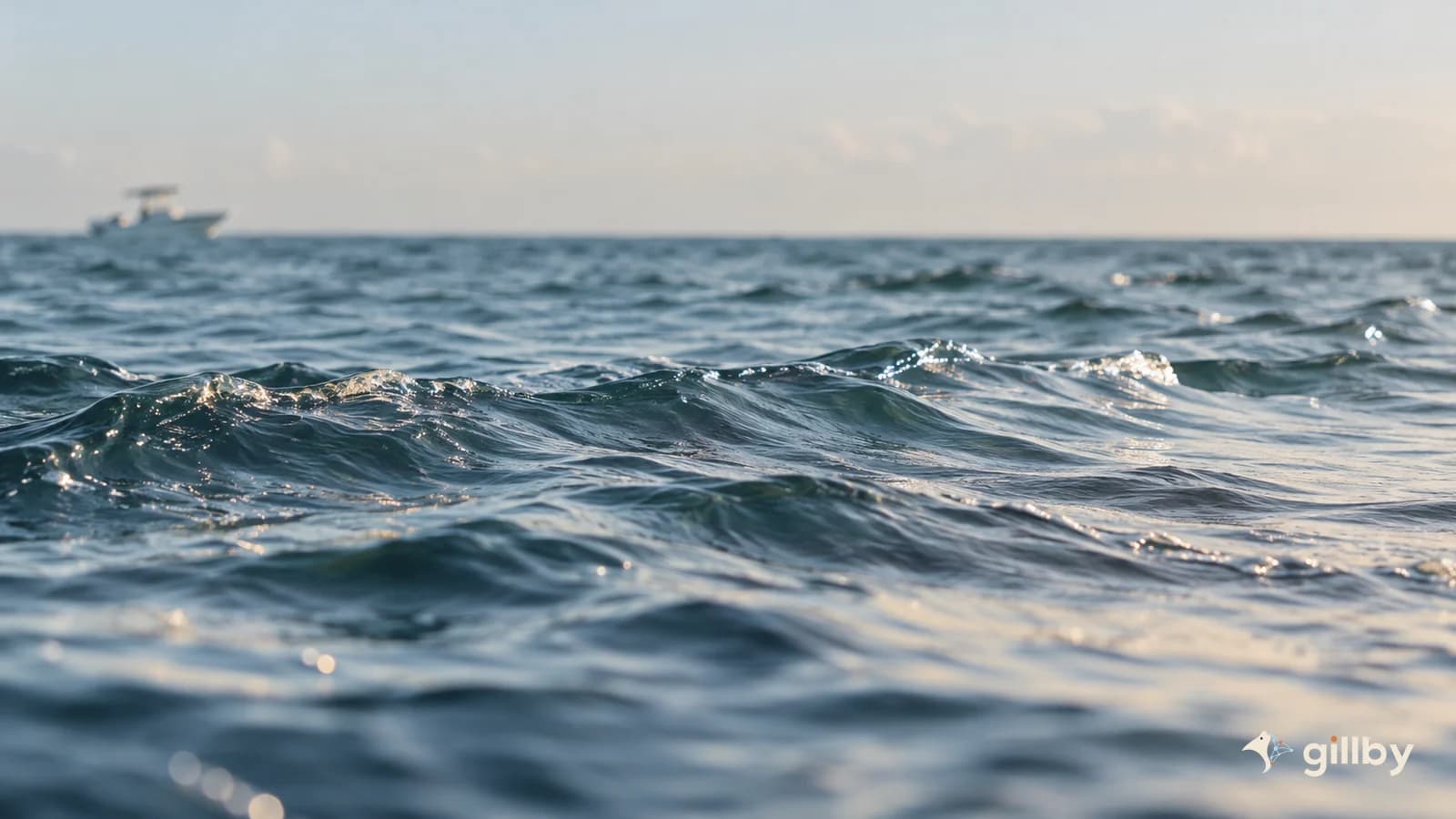
Look at sustained wind, the stronger gusts and the direction. Wind direction is where the wind comes from. A northeast wind blows from the northeast; think about how that lines up with your course and the coastline.
Then compare wind with local current. Opposing wind and current can steepen the water at an inlet. A tide-height table alone does not establish the current at the entrance: read the tides and currents guide before assuming when the flow changes.
How do you turn the forecast into a trip plan?
- Write down the departure, inlet crossing and expected return hours.
- Compare wind, gusts and wave detail for each part of the trip.
- Check recent nearby observations and their timestamps; an offshore buoy is not an inlet sensor.
- Look at radar and the storm outlook, and choose an earlier turnaround if the window is narrowing.
In Gillby, choose the spot and move through your planned hours to compare wind, waves and tide on the same timeline. Keep the official marine forecast beside that local view. For a worked local checklist, read how I read Boca Inlet.
Quick answers
Are two-foot seas always comfortable for a small boat?
No. Wave period, direction, wind, current, boat design and the route all affect the ride. Forecast wave height is not a maximum or a universal go/no-go threshold.
What is wave period in a marine forecast?
Wave period is the time in seconds between successive waves passing a fixed point. Read it alongside height and direction to understand the sea state.
Does a northeast wind blow toward the northeast?
No. Wind direction names where the wind comes from. A northeast wind blows from the northeast toward the southwest.
Why check the return forecast before leaving?
The wind, waves, storms and current may change during the trip. A comfortable departure does not establish the conditions you will meet coming home.
Check your whole water window.
Choose your place and time, then compare the conditions for the way out and the way home.
Open the water mapSomething missing for your water? Send a local update or idea.
HELP MAKE GILLBY BETTER
Know something we should add?
A local update, a correction or an idea for the app—send it here. No account needed.